


Most people arrive in Bali with a long list of places they want to visit and leave realizing they saw maybe half of them, often in a rush. The island looks compact on a map, but the reality on the ground is different. Traffic moves slowly, distances take longer than expected, and popular attractions can feel overwhelming if you show up at the wrong time without knowing what to expect.
The good news is that Bali genuinely delivers for almost every type of traveler. Couples, solo adventurers, culture-seekers, beach lovers, hikers, and those who simply want to sit quietly by a rice field and breathe, all of them find something here. But which places are actually worth your time depends a lot on who you are and how many days you have. This guide is designed to help you figure that out before you land, not after.
Bali Is Bigger Than Most First-Timers Expect
There is a common assumption among first-time visitors that Bali is small enough to cover everything in a week. Some travelers plan itineraries with five or six different destinations per day, only to spend most of their trip sitting in traffic between them. Bali is roughly 5,600 square kilometers, and while that is not enormous, the road network and traffic conditions in popular areas mean that distances rarely translate into quick journeys.
Understanding this early changes everything about how you plan.
Why Travel Time Between Areas Catches So Many Visitors Off Guard
The drive from Seminyak to Ubud, for example, covers about 35 kilometers. In many destinations that would take 30 to 40 minutes. In Bali, particularly during peak hours or on days when there are local ceremonies causing road closures, the same journey can take 90 minutes or more. The stretch through Canggu has become especially notorious for gridlock, and South Bali roads were not built to handle the current volume of traffic the area now attracts.
This is not a reason to feel discouraged. It is simply a reason to plan geographically rather than alphabetically. Grouping places by area rather than by popularity means you spend your time actually experiencing Bali rather than sitting in a car between experiences.
A Simple Way to Think About Bali’s Regions Before You Start Planning
Rather than thinking of Bali as a single destination, it helps to think of it as four or five distinct zones, each with its own character.
- South Bali covers Seminyak, Canggu, Kuta, Uluwatu, Nusa Dua, and Sanur. This is where most tourists stay, where the beach clubs and surf breaks are, and where nightlife and dining options are most concentrated.
- Central Bali / Ubud is the cultural and artistic heart of the island. This is where temples, rice terraces, traditional dance performances, and spiritual retreats are most accessible.
- North and Central Highlands include areas like Munduk, Bedugul, and Lake Bratan. Less visited, cooler in temperature, and dramatically different in landscape from the south.
- East Bali covers Amed, Candidasa, Sidemen, and the sacred Mount Agung area. Quieter, slower-paced, and preferred by travelers who want to step away from the tourist circuit.
- The Islands refer primarily to Nusa Penida, Nusa Lembongan, and Nusa Ceningan, which require a fast boat from the mainland and offer a genuinely different experience.
Spending time understanding which zone appeals to you most saves enormous confusion when you start deciding where to stay and how to structure your days.
South Bali Has the Most Options, But Not Every Area Feels the Same
South Bali is where the majority of tourists base themselves, and for good reason. It has the widest range of accommodation, the most developed dining scene, good transport connections, and easy access to sunset spots and beaches. But grouping all of South Bali together misses the fact that its different neighborhoods cater to quite different travelers.
Seminyak and Canggu Attract Different Travelers Despite Being Close
Seminyak and Canggu sit just a few kilometers apart, but they feel noticeably different. Seminyak tends to attract travelers who want upscale dining, boutique shopping, well-maintained beach clubs, and a polished holiday atmosphere. The streets are lined with design-forward restaurants and the beach at Seminyak is one of the better sunset-watching spots in the south.
Canggu draws a younger crowd and has more of a digital nomad, surf-casual energy. It has excellent cafes, a thriving brunch culture, rice paddy views between villas, and a beach at Batu Bolong that suits beginner surfers. The tradeoff is traffic. Canggu’s narrow lanes struggle with the volume of scooters and cars that pass through daily, so mornings and evenings can be painfully slow if you are trying to get somewhere. If you are planning a relaxed stay where most activity happens close to your accommodation, Canggu works beautifully. If you plan to travel across Bali each day from a Canggu base, factor in the time cost.
Kuta’s Reputation Does Not Match the Current Reality
For a long time, Kuta was Bali’s main hub for tourists. That era has largely passed. Today, Kuta feels worn in ways that other areas do not, and travelers who arrive expecting the buzzing scene they read about in older guides often find themselves surprised by the gap between expectation and reality. The beach is busy, the streets are filled with aggressive touts in some stretches, and the accommodation and dining options have been largely outpaced by newer areas.
This does not mean Kuta has nothing to offer. Waterbom Bali, located in Kuta, is genuinely one of the best water parks in Asia and is worth a morning with families or groups. The mall infrastructure in the area is convenient for practical needs. But as a base for a Bali trip, most experienced Bali travelers now recommend Seminyak, Canggu, Sanur, or Nusa Dua over Kuta, each for different reasons.
Uluwatu Suits More Than Just Surfers
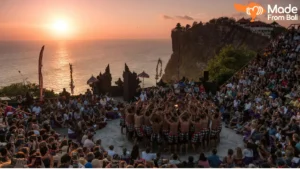
Uluwatu sits at the southern tip of the Bukit Peninsula, perched on dramatic cliffs above the Indian Ocean. Most people associate it with surfing, and the surf breaks here, particularly at Uluwatu Beach, are among the most respected in the world. But Uluwatu is also home to one of Bali’s most spectacular temples, Pura Luhur Uluwatu, which sits on the edge of a cliff some 70 meters above the ocean.
Visiting the temple at sunset and staying for the Kecak fire dance performance, which takes place in an outdoor amphitheater on the clifftop, is one of those Bali experiences that tends to stay with people long after they leave. It is touristy, yes, but it earns its reputation. Couples who have no interest in surfing still find Uluwatu worthwhile, particularly combined with dinner at one of the cliff-side restaurants overlooking the water. Single Cave Bar and Sundays Beach Club offer very different versions of the Uluwatu experience, which gives the area more range than its surfing image might suggest.
Ubud Sits at the Center of Bali’s Cultural Identity
If South Bali is about beaches, sunsets, and social energy, Ubud is about something quieter and deeper. It is where Balinese art, spirituality, dance, and traditional craftsmanship are most concentrated. The town itself has become more commercialized over the years, but its surroundings remain genuinely beautiful. Rice paddies, jungle ravines, rivers, and ancient temples exist within easy reach of the town center, and the cooler air compared to the coast makes spending a day exploring on foot more comfortable.
Ubud works well both as a day trip from South Bali and as a standalone base. Which approach suits you depends on how much time you have and what you want from the experience.
The Monkey Forest and Tegallalang Are Worth Visiting, But Timing Changes Everything
The Sacred Monkey Forest Sanctuary in the heart of Ubud is one of Bali’s most visited attractions. It is home to several hundred Balinese long-tailed macaques living among ancient temple ruins and towering trees. It is genuinely interesting, particularly for first-time visitors, but it gets busy quickly. Mid-morning arrivals will encounter a very different atmosphere than those who arrive when the sanctuary opens. Arriving early, ideally before 9am, means you share the space with far fewer people and the monkeys feel noticeably less chaotic in their behavior.
The Tegallalang Rice Terraces, about 20 minutes north of Ubud town, follow a similar pattern. The terraces themselves are genuinely beautiful, carved into steep hillsides using the traditional Balinese subak irrigation system, which UNESCO recognizes as part of the island’s cultural landscape. Photographs taken at the golden hour, either early morning or late afternoon, capture something quite different from the Instagram-crowded midday version of the same place. By 10am on most days, the main viewing area fills with visitors, vendors, and drone operators. Arriving at 7:30am means you see the terraces in morning light with relative peace. This single timing adjustment changes the entire experience.
Temples Around Ubud That Feel Less Rushed Than the Famous Ones
Beyond the major attractions, the Ubud area contains temples that most visitors never reach because they require a bit more intention. Pura Gunung Kawi, a complex of ancient shrines carved directly into a rock face near Tampaksiring, involves descending steep stone steps into a river valley and often has only a fraction of the visitors that nearby Tirta Empul attracts. The setting is extraordinary and the feeling of discovery more intact.
Pura Tirta Empul itself, the holy spring temple where Balinese Hindus come to purify themselves in sacred pools, is worth visiting if you approach it with genuine curiosity and respect. It is crowded, but watching the purification ceremony as it unfolds, and understanding what it means to the Balinese participants, gives the visit a depth that purely scenic temples cannot match.
When Ubud Works Better as a Base Than a Day Trip
A day trip from South Bali to Ubud gives you enough time to see two or three things comfortably, assuming traffic cooperates. But Ubud reveals itself more slowly than a single day allows. If culture, cooking classes, traditional arts, yoga, or simply the rhythm of a highland town interests you, staying in Ubud for two or three nights changes the experience considerably. The evenings are quiet in a way that South Bali’s evenings rarely are, and the mornings often start with the sound of temple offerings being prepared nearby. Some travelers find this is exactly what they came to Bali for.
Nusa Penida Keeps Appearing on Every List, and There Are Good Reasons Why
Nusa Penida is the largest of the three Nusa Islands and sits about 45 minutes by fast boat from Sanur Harbor on Bali’s east coast. It has become one of Bali’s most talked-about destinations in recent years, largely driven by photographs of its dramatic cliffs, turquoise water, and the distinctive T-Rex cliff formation at Kelingking Beach that is now immediately recognizable to most Bali travelers.
The island delivers on its visual promise, but it is worth understanding what visiting actually involves before you add it to your itinerary with high expectations and no preparation.
What Kelingking Beach Actually Requires From Visitors
Kelingking Beach is often presented in photographs as though it is simply a beautiful place you walk up to and admire. The reality involves more physical effort than most visitors expect. The viewpoint at the top of the cliff is accessible easily enough, and the view from there is genuinely one of the most dramatic on the island. But reaching the actual beach at the bottom requires descending an extremely steep, partially unstable trail that can take 30 to 45 minutes down and considerably longer back up. The trail has claimed injuries among unprepared visitors, and in wet conditions it becomes significantly more hazardous.
This does not mean the beach is off-limits. It means that if you want to reach it, wear proper footwear, go with a guide who knows the path, and be honest with yourself about your fitness level. Many visitors are equally satisfied with the viewpoint alone, which costs nothing and takes seconds to access.
Other highlights on Nusa Penida include Angel’s Billabong, a natural tidal pool at the island’s western tip, and Broken Beach, an extraordinary natural arch formation just minutes away. Crystal Bay is a quieter beach popular with snorkelers and divers. Manta Point, reachable by boat from the island, is one of the most reliable places in Bali to snorkel with manta rays.
Is One Day on Nusa Penida Enough, or Does It Leave You Feeling Rushed
One day on Nusa Penida is the standard format for most visitors, and for many people it works reasonably well. A standard day trip covers the western highlights, which include Kelingking viewpoint, Angel’s Billabong, and Broken Beach, and returns to Bali by late afternoon. The island’s roads are rough and transport between sites takes time, so a well-organized tour with a knowledgeable local driver makes an enormous difference.
The limitation of a single day is that the island has more to offer than the western circuit alone. The eastern side of Nusa Penida, including Atuh Beach and Diamond Beach, involves longer driving but delivers equally stunning scenery with significantly fewer people. Covering both sides of the island requires either an overnight stay or choosing one area per day on a multi-day visit.
Travelers with limited time in Bali overall are generally better served by a focused western-circuit day trip. Those with more flexibility who want the fuller experience of the island benefit from an overnight stay in one of the simple guesthouses available near Crystal Bay or in Toyapakeh.
Temples Are Scattered Across the Island, and Choosing Between Them Matters
Bali has over 20,000 temples, which makes the question of which ones to visit genuinely confusing for first-time travelers. The honest answer is that not all temples feel the same, and the experience you have depends as much on the context of your visit as on the temple itself.
Tanah Lot and Uluwatu Draw the Biggest Crowds for a Reason
Tanah Lot, located on the western coast near Tabanan, is perhaps the most photographed temple in Bali. It sits on a rocky outcrop in the ocean, accessible by foot at low tide and surrounded by crashing waves at high tide, which creates the impression of the temple floating on water. At sunset, the visual effect is remarkable. The experience, however, is shared with hundreds or thousands of other visitors depending on the day. The surrounding area has been heavily developed with restaurants, shops, and cafes, which gives the visit a distinctly commercial feel.
This does not invalidate the experience. Tanah Lot at sunset is genuinely beautiful, and for first-time visitors it belongs on a Bali list because the setting is unlike anything else on the island. Just arrive with realistic expectations about crowd levels, and consider visiting the outer viewing area closer to the water rather than lingering in the main tourist plaza above.
Uluwatu’s temple, as described earlier, combines dramatic clifftop scenery with the Kecak dance performance in a way that justifies its popularity. The combination of both, temple and performance, takes about two hours and feels complete as an experience.
Tirta Empul and Besakih Offer a Different Kind of Temple Experience
Tirta Empul, near Tampaksiring in central Bali, is a Hindu water temple built around sacred natural springs. Unlike the clifftop or offshore temples, this one is actively used for ritual purification by local Balinese. Visitors observe, and some choose to participate in the purification ritual themselves with appropriate preparation and attire. The experience involves more cultural depth than a purely visual temple visit, and that is exactly why it resonates with travelers interested in understanding Balinese spirituality rather than just photographing it.
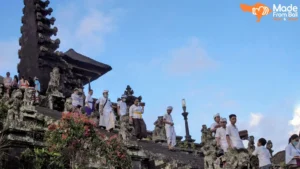
Besakih, often called Bali’s Mother Temple, sits on the slopes of Mount Agung, Bali’s highest and most sacred volcano. It is the most important Hindu temple complex on the island and one of the most architecturally impressive. It also sits at around 1,000 meters altitude, which means the climate is noticeably cooler and misty conditions are common. Visiting early in the day generally offers cleaner views and better weather. The complex is large enough to take a full morning to explore thoughtfully.
What to Know Before Visiting Any Balinese Temple
A few practical realities will make any temple visit in Bali smoother.
- A sarong is required at most temples. Many temples loan them at the entrance, but carrying your own is more comfortable and reliable.
- Menstruating women are generally asked not to enter the inner sanctuaries, as this follows traditional Balinese Hindu belief.
- Ceremonies happen frequently and during active ceremonies, certain areas may be closed to visitors. This is not an inconvenience to work around. It is a sign that the temple is functioning exactly as intended.
- Guides add genuine value at larger temples. Understanding what each structure represents and what rituals are taking place transforms a visual experience into a meaningful one.
- Timing matters significantly. Most popular temples are visited by tour groups between 9am and midday. Arriving at opening time or in the late afternoon shifts the experience considerably.
North and East Bali Reward Travelers Who Have More Time
The farther you travel from South Bali, the fewer tourists you encounter and the more the island begins to feel like itself rather than a backdrop for social media content. North and East Bali require more travel time to reach, but they offer landscapes, experiences, and a pace of life that the south can no longer provide with the same authenticity.
Mount Batur for Sunrise Is One of Bali’s Most Memorable Experiences
Mount Batur is an active volcano in Bali’s Kintamani region, standing at about 1,717 meters. The pre-dawn hike to its summit for sunrise is consistently ranked among the most memorable experiences on the island, and it earns that reputation. The hike begins between 3 and 4am in complete darkness, guided by torchlight along volcanic paths. The summit arrival, timed to coincide with the first light spreading across the sky above Lake Batur below, produces a view that most hikers describe as genuinely affecting.
The climb itself is not technically difficult but it is physically demanding, particularly the steeper upper sections on loose volcanic rock. A reasonable level of fitness makes the experience enjoyable rather than purely exhausting. Guides are mandatory for the official route and serve a practical safety function beyond their requirement.
The Kintamani area around Mount Batur also offers some of Bali’s most dramatic caldera views from roadside restaurants that serve lunch with the volcano and lake as a backdrop. Many Ubud day tours include a stop here, making it accessible even for travelers who are not attempting the hike.
Sidemen and Amed for Travelers Who Want a Slower Pace
Sidemen sits in a river valley in East Bali, about an hour from Ubud and a world away in atmosphere. It has been quietly attracting travelers who want rice paddy walks, Mount Agung views, and village life without the infrastructure of a tourist hub. Accommodation options range from simple homestays to beautiful boutique hotels with terraced valley views. There are almost no traffic problems, no persistent vendors, and no entry fees to natural scenery that rivals anything in the more visited parts of the island.
Amed, further east along the coast, is Bali’s most accessible base for diving and snorkeling. The Japanese shipwreck at Tulamben, a short drive from Amed, is one of the best shallow-water wreck dives in Asia. The black sand beaches in this area are calm, the water is clear, and the pace of daily life in the fishing villages feels unhurried in a way that Seminyak or Canggu simply cannot replicate. Amed suits travelers who want to dive or snorkel, who are making their second or third trip to Bali, or who deliberately want to step away from the main tourist circuit.
Choosing Between Places Depends More on Your Trip Style Than the Places Themselves
One of the most common frustrations travelers express after visiting Bali is feeling like they did not get to see the things that would have mattered most to them. This usually happens not because the places were unavailable but because the itinerary was built around a generic list rather than around what the individual traveler actually values.
Couples, Families, and Solo Travelers Often End Up Happiest in Different Spots
Different traveler profiles naturally gravitate toward different parts of Bali, and understanding this before you plan avoids the disappointment of arriving somewhere that was designed for someone else.
| Traveler Type | Recommended Focus Areas | Why It Fits |
|---|---|---|
| Couples / Honeymooners | Ubud, Seminyak, Uluwatu, Nusa Penida | Romantic dining, sunset views, cultural depth, villa-style accommodation |
| Solo Travelers | Canggu, Ubud, Amed | Social cafe culture, yoga communities, independent exploration, diving |
| Families with Children | Nusa Dua, Sanur, Waterbom Kuta, Ubud day trips | Calmer beaches, child-friendly resorts, structured activities |
| Culture-Focused Travelers | Ubud, Besakih, Sidemen, Tirta Empul | Temple circuits, traditional arts, spiritual experience |
| Adventure Seekers | Mount Batur, Nusa Penida, Amed, Munduk | Hiking, diving, dramatic landscapes, off-road exploration |
| First-Time Visitors | South Bali base with Ubud and Nusa Penida day trips | Accessible, varied, combines beach and culture without overcomplicating logistics |
How Many Days You Have Changes Which Places Make Sense
The number of days available is probably the most practical filter for deciding where to go.
- 4 to 5 days is enough to experience one region well. A South Bali base with a day trip to Ubud and a day trip to Nusa Penida covers the essential experiences without feeling rushed.
- 6 to 8 days opens the island up considerably. You can split time between South Bali and Ubud, add a night in Ubud, include Nusa Penida, and possibly squeeze in a morning at Mount Batur.
- 10 days or more means you can explore comfortably, potentially include Sidemen, Amed, or the northern highlands, and experience Bali at a pace where the island’s character actually has time to land.
Trying to cover everything in a short trip is the most common reason travelers feel their Bali experience was rushed and superficial. Fewer places visited thoughtfully almost always produces a more satisfying trip than an ambitious list ticked off in a blur.
Getting Around Bali Is Easier With the Right Setup From the Start
Transportation in Bali is one of those practical realities that can quietly shape the entire quality of your trip. App-based ride services like Grab operate in South Bali and work well for short urban trips. But for day trips that involve multiple stops, temple visits across different areas, or early morning departures for sunrise experiences, having a dedicated driver changes the experience entirely.
What a Private Driver Actually Changes About How Much You Can See
A private driver in Bali is not simply a substitute for a taxi. A good driver knows the roads, understands traffic patterns across different times of day, can suggest the optimal sequence for visiting multiple places, and often serves as an informal guide who helps with temple etiquette, local context, and practical logistics. They wait for you at each stop, adjust timing based on how long you are spending somewhere, and can accommodate changes in plan when weather or crowds make an alternative more appealing.
The cost of hiring a private driver for a full day in Bali is modest by international standards, typically ranging from $40 to $70 USD depending on the route and negotiation, and the difference it makes to a day of sightseeing is disproportionate to the cost. For solo travelers or couples covering multiple sites in a single day, it is almost always more efficient and more enjoyable than piecing together individual transport options.
For those who prefer independence, renting a scooter is popular and affordable, but it comes with genuine caveats. Bali’s roads carry significant traffic, driving standards differ from many Western countries, and navigating to temple sites in unfamiliar areas without local knowledge adds complexity. If you are experienced with scooter riding in Southeast Asian traffic conditions, it can work. For first-time visitors or those unfamiliar with the local road culture, a private driver removes both the stress and the risk.
When Booking a Guided Tour Makes More Sense Than Planning Independently
For destinations like Nusa Penida, a guided tour handles boat bookings, island transport, and the sequencing of stops in a way that is genuinely difficult to replicate independently, especially on a first visit. The island’s roads are rough, the distances between major sites are significant, and local knowledge about tides, access conditions, and the best timing for each spot is valuable.
Similarly, the Mount Batur sunrise hike is officially required to be done with a registered guide, and practically speaking, navigating volcanic terrain in the dark without one is not advisable regardless of regulation. For both Nusa Penida and Mount Batur, guided arrangements are not just convenient but the sensible approach.
Ubud’s cultural circuit, meanwhile, is manageable independently if you have a driver and are comfortable navigating without a guide, though having someone explain the significance of each temple and site as you go adds depth that self-guided visits sometimes miss.
Some Honest Observations Before You Finalize Your Itinerary
Bali is a destination that rewards some honesty in the planning stage. The island is more crowded than photographs suggest in many popular areas. Traffic between regions can absorb more of your day than you expect. Some places that appear frequently on lists have become more performative than meaningful, while others that rarely appear on those same lists offer experiences that feel genuinely alive.
The travelers who leave Bali most satisfied are usually those who set realistic expectations, chose places that matched their actual interests rather than following a generic checklist, and allowed enough time in fewer locations to actually feel where they were. Bali has a quality to it that reveals itself slowly. A temple in the late afternoon light, an empty rice terrace path at dawn, a ceremony you stumble across in a village between destinations, these tend to be the memories that endure. The best itinerary is not necessarily the longest one. It is the one built around what matters to you, with enough breathing room to let it actually happen.
Made From Bali Tour and Travel works with travelers at exactly this stage of planning, helping match itineraries to real priorities and handling the logistics that make the difference between a trip that runs smoothly and one that leaves you wishing you had planned differently. Wherever your interests lie on the island, the most important step is simply starting with clarity about what kind of experience you are actually looking for.