

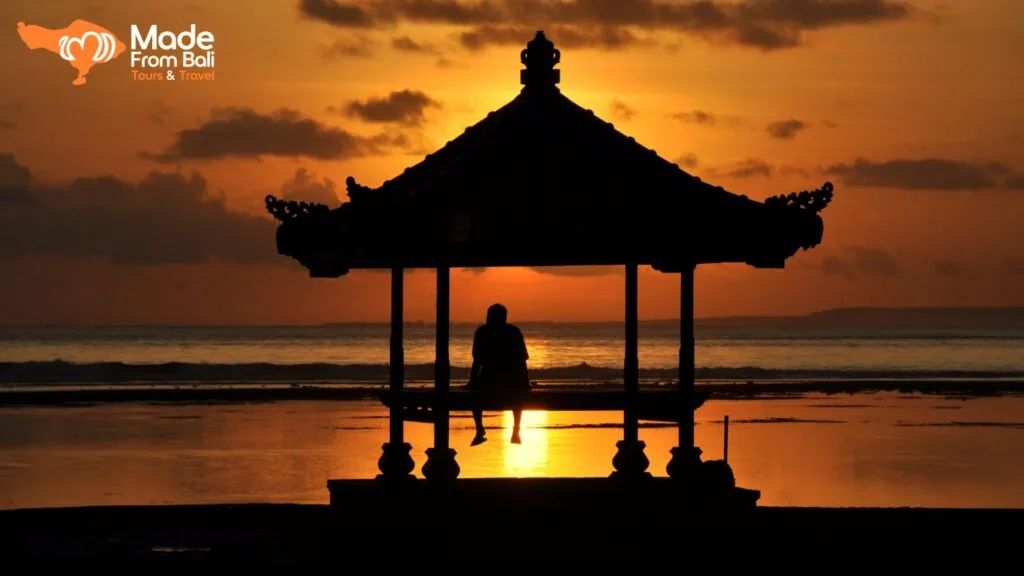
Most people planning a Bali trip already have a mental image of the sunset they want: a temple silhouette against an orange sky, or bare feet in the sand with a cold drink in hand. The problem isn’t finding a beautiful spot. Bali has dozens of them. The problem is that almost every guide online lists the same ten places with the same glowing adjectives and never mentions what actually happens once you try to get there at 5pm on a Tuesday.
Here’s what tends to go wrong. A traveler picks the most famous option, leaves their hotel a little later than planned, and spends the last hour of daylight sitting in traffic instead of watching it fade. Or they show up to a temple that’s already packed three rows deep, because five hundred other people had the same idea at the same time. None of this is bad luck. It’s predictable, and once you understand why it happens, it’s avoidable.
This guide covers the spots worth your evening, but more importantly, it covers when each one is actually worth the drive, who tends to enjoy it most, and what nobody tells you about timing until you’re already stuck in it. By the end, you should be able to pick a spot that fits your evening, not just your Instagram feed.
In Bali, Everyone Chasing The Same Spot Rarely Works Out The Same Way
Bali gets roughly the same amount of daylight all year round, since it sits so close to the equator. That means sunset falls in a narrow window, usually between 6pm and 6.30pm, with only small shifts month to month. It sounds convenient. In practice, it means thousands of visitors converge on the same handful of famous locations within the same thirty minute window, every single evening.
That overlap is the real reason a “best” sunset spot can turn into a disappointing one. It isn’t that the view changes. It’s that you’re sharing a narrow ledge or a crowded beach with everyone else who read the same top ten list. A spot that looks perfect in a photo taken at an empty moment can feel completely different when you’re standing shoulder to shoulder with fifty strangers, all trying to get the same shot.
This doesn’t mean the famous spots aren’t worth visiting. It means the value of any sunset spot depends as much on when and how you arrive as it does on the location itself. That’s the piece most guides skip, and it’s the piece this one is built around.
What Actually Makes One Sunset Spot Better Than Another
Before comparing individual locations, it helps to understand what actually separates a good sunset spot from a mediocre one. It isn’t just “does it face west,” although that’s part of it. Geography, elevation, and the amount of open sky in front of you all change what you’re going to see and how it’s going to feel.
Facing West Only Gets You Halfway There
Any beach or cliff on Bali’s west or southwest coast, from Canggu down through Seminyak, Jimbaran, and the Bukit Peninsula, will technically show you a sunset. What separates a forgettable one from a memorable one is how much unobstructed sky and horizon you actually have in front of you.
A clifftop location like Uluwatu gives you elevation and a wide, uninterrupted view of the ocean, which is why the sky there tends to look more dramatic even on an average evening. A flat beach at sea level, like Jimbaran, gives you a lower vantage point but a more intimate feeling, especially with restaurant tables set right at the tideline. A temple built on an offshore rock formation, like Tanah Lot, adds a silhouette in the foreground, which changes the entire composition of what you’re looking at compared to an empty horizon.
None of these is objectively “better.” They produce different kinds of sunsets, and knowing that difference in advance helps you pick the one that actually matches what you’re hoping to see, rather than picking a name off a list and hoping for the best.
The Same Spot Can Look Completely Different Two Evenings In A Row
Sunset quality in Bali isn’t constant, and this is something almost no travel article mentions directly. Cloud cover, humidity, and haze all affect how vivid the colors look, and these conditions shift with the season and sometimes with the day.
During the dry season, roughly May through October, skies tend to be clearer and the colors more consistent, with June through August generally offering the most reliable visibility. During the wet season, from November through March, afternoon cloud buildup is common, particularly in December, January, and February, which can mute the colors or block the sun entirely before it reaches the horizon. This doesn’t mean a rainy season sunset is never good. Mornings are often clear even during the wettest months, and cloud formations during the transition periods can actually produce more dramatic colors than a completely clear sky. It does mean you shouldn’t build an entire evening around a guaranteed spectacular sunset if you’re visiting between December and February. Treat it as a bonus rather than a certainty, and have a backup plan, like a nice dinner spot, in case the sky doesn’t cooperate.
Uluwatu Delivers Cliff Drama, But Timing It Around The Kecak Dance Takes Planning
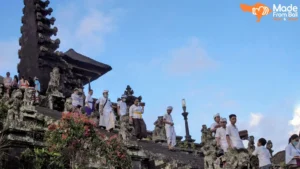
Uluwatu Temple sits on a limestone cliff roughly seventy meters above the Indian Ocean, on the southern tip of the Bukit Peninsula. The elevation and open ocean view make it one of the most visually dramatic sunset locations on the island, and it’s a legitimate reason it appears at the top of nearly every list.
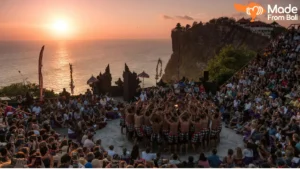
What most lists leave out is the Kecak fire dance, a traditional performance that runs in the temple grounds most evenings around sunset. It’s genuinely worth watching, but it also means the crowd at Uluwatu isn’t just there for the view. Everyone tends to arrive in the same window before the performance starts, and everyone tends to leave at the same time once it ends, which creates a sharp spike in both foot traffic inside the temple and vehicle traffic on the roads leading out. If you’re planning to watch the dance and the sunset together, budget extra time on both ends: arrive at least an hour before sunset to get a decent viewing position, and expect the roads heading back toward South Bali to be slow for up to an hour after the show finishes.
If you’d rather skip the performance and just want the view without the crowd surge, arriving earlier in the afternoon and staying through sunset, rather than timing your arrival to the performance schedule, tends to give a calmer experience.
Karang Boma And Other Quieter Alternatives On The Bukit
The Bukit Peninsula isn’t limited to the temple itself. Several nearby viewpoints offer a similar cliffside setting with noticeably fewer people, largely because they don’t come with a scheduled performance pulling in a crowd at a fixed time.
| Spot | What Makes It Different | Good To Know |
|---|---|---|
| Karang Boma Cliff | A viewpoint close to Uluwatu Temple with a similar dramatic drop to the ocean, without the temple crowd | Was relatively unknown a few years ago and has grown busier, but still far quieter than the temple itself |
| Nyang Nyang Beach | A wide, undeveloped beach reached by a steep path down the cliff | Involves a genuine walk down and back up, so it suits travelers comfortable with some physical effort |
| Balangan Beach | A surf beach with a more laid back, low key atmosphere and simple warungs along the cliff edge | Popular with surfers at golden hour, which adds its own kind of relaxed energy rather than a scenic crowd |
| Bingin Beach | A cliffside settlement with small cafes built into the rock face, facing the sunset directly | Access involves steps down the cliff, and seating at cafes with a view often fills up by late afternoon |
If your priority is a dramatic cliffside sunset without competing for space with a tour bus crowd, one of these alternatives is often a better use of your evening than the temple itself, especially on a second or third visit to the area.
Tanah Lot Is Still The Classic Choice If You Arrive Before The Rush
Tanah Lot is the temple most people picture when they think of a Bali sunset: a Hindu shrine sitting on a rock formation just offshore, with waves breaking around its base. It’s one of the most photographed spots on the island, and that popularity is exactly what shapes the experience.
The crowd at Tanah Lot builds steadily through the late afternoon and peaks in the thirty to sixty minutes before sunset, when nearly everyone visiting that day is trying to find a viewing spot at the same time. Local guides commonly recommend arriving between 4.30pm and 5pm, which gives you time to explore the temple grounds while they’re still relatively calm and to settle into a good position before the crowd fills in. Arriving right at sunset usually means arriving into an already packed viewing area.
Traffic is the other factor that catches people off guard. If you’re coming from the Kuta or Seminyak area, the drive to Tanah Lot can take significantly longer than expected once afternoon traffic builds, and travelers who’ve gotten stuck in it describe waits of well over an hour on a route that should take a fraction of that time. Leaving with a comfortable buffer, rather than cutting it close, is the single biggest factor in whether this spot lives up to its reputation or ends in a rushed, frustrating scramble to the entrance.
Canggu And Seminyak Turn Sunset Into A Social Beach Bar Evening
If Uluwatu and Tanah Lot are about scenery first, Canggu and Seminyak are about atmosphere first. These stretches of coast are lined with beach bars and beach clubs where the sunset becomes part of a longer evening rather than the whole event. Echo Beach in Canggu is known for its black sand and its surf break, which means your sunset view often includes surfers catching last light waves in the foreground. Seminyak’s beachfront has a similar energy, with beanbags, casual bars, and a steady stream of people settling in with a drink well before the sky starts to change color.
This setup suits travelers who want a relaxed, social evening rather than a quiet, contemplative one. It’s a good fit for groups, for anyone staying nearby who doesn’t want a long drive, and for people who’d rather combine sunset with dinner or drinks than treat it as a standalone activity.
Echo Beach, La Plancha And When A Reservation Actually Matters
Most beachfront spots in Canggu and Seminyak work on a first come, first served basis. You show up, grab a beanbag from one of the local vendors, and that’s it. A handful of higher end venues work differently, and this is where a lot of visitors get caught out.
Rock Bar, the well known cliffside bar in the Jimbaran area, is the clearest example. Because seating is limited and the view is genuinely exceptional, spots fill up early, often by mid to late afternoon, and reservations are typically made through WhatsApp rather than a walk in system. Turning up at 5.30pm expecting a table is a common and avoidable disappointment. If there’s a specific higher end venue on your list rather than a casual beach spot, check whether it needs advance booking before you build your evening around it. For the more casual beanbag style spots along Echo Beach or Seminyak, you generally don’t need to plan this far ahead. Arriving thirty to forty five minutes before sunset is usually enough to find a decent spot without a reservation.
Jimbaran Pairs Sunset With Dinner On The Sand
Jimbaran Bay works differently from most sunset spots on this list, because it isn’t really a viewpoint. It’s a dining experience that happens to include a sunset. The beach is lined with seafood restaurants that set tables directly on the sand, and as the sun goes down, staff typically light traditional torches along the beachfront, which adds a warm, low light atmosphere once the sky has darkened.
This makes Jimbaran a particularly practical choice for families or anyone who doesn’t want to stand around waiting for a moment to pass. You’re seated, you’re eating, and the sunset happens around you rather than being the sole focus of the evening. It’s also a lower stress option in terms of timing. Since you’re settling in for a meal rather than jockeying for a viewing position, arriving a little later than you would for a temple or cliffside spot generally isn’t a problem. The tradeoff is that the view itself is less dramatic than an elevated cliff location, since you’re at sea level looking across a fairly built up bay rather than an open horizon.
Ubud, Lovina And Amed Offer A Sunset Away From The Coastal Crowds
Not every good sunset in Bali happens on the west coast. Ubud, in the island’s interior, and the northern and eastern coastal towns of Lovina and Amed offer a genuinely different kind of evening, quieter and slower, though with real tradeoffs compared to the coastal hotspots.
In Ubud, the Campuhan Ridge Walk is the best known option, a path along a jungle ridge with views over a river valley and rice terraces. The colors here tend to be softer than a coastal sunset, filtered through valley haze and vegetation rather than an open ocean horizon, and Ubud’s inland, slightly higher elevation location also means it’s more prone to mist and cloud cover, especially in the early evening. What you get in exchange is a genuinely calm setting, usually far less crowded than the coast, and a completely different visual mood, more green and golden than fiery orange.
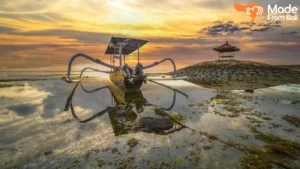
Lovina, on Bali’s north coast, offers a quieter black sand beach experience with traditional outrigger boats often visible along the shore. It’s a solid, if understated, sunset option, and its main appeal is the calm, unhurried pace rather than a dramatic sky.
Why Amed Is Actually Better Known For Sunrise Than Sunset
Amed, a small fishing village on Bali’s east coast, appears on a surprising number of sunset lists, often described alongside claims about the sun setting over Mount Agung. This is worth clarifying directly: Amed’s real reputation is built on sunrise, not sunset. Facing east toward the volcano, Amed is where divers and photographers go for dawn views with Agung as a backdrop, which is a genuinely spectacular experience if you’re willing to get up early.
Sunset in Amed is calmer and more understated. You’ll still get a pleasant evening by the water, with the village’s slow pace and clear waters, but it isn’t the dramatic, fiery show that the coastal hotspots deliver. If Amed is on your itinerary for its diving or its relaxed atmosphere, enjoy the sunset as a quiet bonus rather than the main reason to visit. If a dramatic sunset is specifically what you’re after, your time is better spent on the west coast.
Nusa Penida Looks Incredible At Sunset, But Most Day Trips Miss It
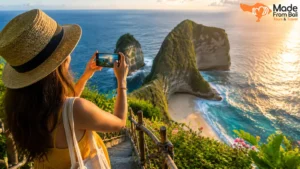
Nusa Penida, the island southeast of mainland Bali, shows up constantly in “best sunset” content because of spots like Kelingking Beach, where dramatic cliffs frame the horizon in a way few other locations can match. The photos are real. What most of those articles don’t mention is a basic logistical problem: the vast majority of visitors reach Nusa Penida on a day trip, and day trip boat schedules are built around returning to the mainland well before dark, for safety reasons tied to sea conditions and visibility.
In practice, this means most people who visit Nusa Penida on a single day tour are back on the boat, or already off the island, before the actual sunset happens. The dramatic Kelingking sunset photos you see online are almost always taken by travelers who stayed overnight on the island, not by day trippers. If watching sunset from Nusa Penida is genuinely important to you, plan to stay at least one night there rather than assuming a standard day tour will get you the shot. If you’re set on a day trip schedule, treat Nusa Penida as a daytime cliff and snorkeling destination, and plan your actual sunset somewhere on the mainland instead.
Matching The Right Spot To Where You’re Actually Staying
With so many options spread across the island, the most useful question isn’t “which spot is the best” in the abstract. It’s “which spot makes sense given where I’m staying, how much time I have, and what kind of evening I actually want.” The table below breaks this down by common traveler situations.
| Traveler Situation | Better Fit | Why |
|---|---|---|
| Staying in South Bali, one evening free, want the classic postcard shot | Uluwatu or Tanah Lot | Both are iconic and reachable, but require leaving with a real time buffer for traffic |
| Want fewer people in frame for photos | Karang Boma, Balangan, or Nusa Penida (overnight) | Less foot traffic and fewer scheduled crowd surges than the headline spots |
| Traveling as a family or want dinner built in | Jimbaran | Seated dining removes the standing around and waiting that trips up kids and tired travelers |
| Staying in Canggu or Seminyak, want a relaxed evening nearby | Echo Beach, La Plancha, or a local beach bar | Minimal travel time and a social, low pressure atmosphere |
| Based in Ubud or want a break from the coast | Campuhan Ridge Walk | Different mood entirely, calmer and greener rather than a fiery ocean horizon |
First Timers Doing A One Night Loop Through South Bali
If this is your only sunset in Bali and you’re staying anywhere in the south, from Kuta to Seminyak to Uluwatu itself, the honest advice is to pick one location and commit to arriving early rather than trying to chase two spots in one evening. Traffic between these areas during the sunset window is unpredictable enough that a plan involving a quick stop at one beach followed by a drive to a second location for the “real” sunset often falls apart. Choose based on the mood you want, dramatic cliffs at Uluwatu or a classic temple silhouette at Tanah Lot, and build your evening around that single destination.
Couples And Photographers Who Want Fewer People In The Frame
If a crowded viewpoint would ruin the moment for you, whether that’s a proposal, an anniversary, or just wanting a clean photo without fifty strangers in it, the well known names are usually the wrong choice, not because they’re less beautiful, but because they’re the most crowded by definition. Karang Boma, Balangan, or an overnight stay on Nusa Penida will consistently give you more breathing room than Uluwatu Temple or Tanah Lot during peak season.
Families Who Need An Easy Exit Afterward
Families traveling with young kids or older relatives generally do better at spots where the sunset is part of a seated activity rather than a standing wait followed by a scramble to leave. Jimbaran’s built in dinner setup solves this directly. If a temple visit is still on the list, arriving well before the main crowd and planning to leave before the post sunset crowd rush, rather than staying until full darkness, makes the exit considerably smoother.
Sunset Timing And Weather Patterns Worth Knowing Before You Go
A few practical facts are worth having in mind before you plan any evening around a Bali sunset.
- Sunset in Bali falls consistently between roughly 6pm and 6.30pm year round, with only minor shifts by month, since the island sits close to the equator and doesn’t experience the dramatic seasonal daylight swings of higher latitudes.
- Golden hour, the period of warm, soft light before the sun actually sets, generally starts about an hour before sunset. Arriving at your chosen spot during this window, rather than right at sunset itself, usually gives better light for photos and more time to settle in before the crowd peaks.
- The dry season, roughly May through October, offers the most consistently clear skies and vivid colors, with June through August typically the most reliable stretch.
- The wet season, November through March, brings a higher chance of afternoon cloud cover, especially during the heaviest rain months of December, January, and February. Mornings during this period are often clear even when afternoons aren’t, so a sunset isn’t guaranteed to be dramatic, though it can still happen.
- If you’re visiting during the wet season and a great sunset genuinely matters to you, building in flexibility, either by choosing a spot with a strong backup activity like dinner, or being willing to try a different evening, will serve you better than committing everything to one fixed plan.
The Traffic Question Nobody Mentions Until You’re Stuck In It
This is the part almost no sunset guide covers, and it’s arguably more important than which specific spot you choose. Bali’s road network wasn’t built for its current volume of tourist and local traffic, and certain routes become genuinely difficult in the hour or two before sunset, simply because everyone heading to a beach, beach club, or viewpoint is on the road at the same time.
A few patterns show up consistently. The Simpang Siur junction, where traffic from Kuta, Seminyak, and Denpasar converges, gets heavy during the evening rush. Roads leading toward Uluwatu, particularly through Jimbaran and the GWK intersection, slow down noticeably from around 4pm as visitors head south for sunset, and this reverses into an exit jam heading back north once the Kecak dance finishes and everyone leaves at once. The route to Tanah Lot from the Kuta or Seminyak side has a similar buildup in the mid to late afternoon. None of this is unusual or unlucky. It’s the predictable result of a lot of people wanting to be in the same place at the same time.
The practical takeaway is simple: build in more travel time than Google Maps suggests, especially for any drive happening between 4pm and 7pm, and treat “leave early” as genuine advice rather than a formality. This is also where having flexible transport makes a real difference. A fixed taxi booking or a rideshare app can struggle in areas with pickup restrictions, particularly around beach clubs and cliffside spots in the Bukit Peninsula, while a private driver who already knows which roads back up and when can adjust the route or timing on the spot rather than leaving you stranded. It won’t make the traffic disappear, but it removes one of the biggest sources of a ruined evening.
Turning One Bali Sunset Into An Evening Worth Planning Around
A good Bali sunset isn’t really about finding the single most beautiful spot on the island. Plenty of locations qualify. It’s about matching a spot to your evening, understanding when the crowd and the traffic will actually show up, and building in enough buffer that a slow road or a packed viewpoint doesn’t turn a highlight of your trip into a stressful scramble.
If there’s one thing worth taking away from all of this, it’s that timing is the real variable, more than the location itself. Arrive early rather than exactly on time. Have a backup plan if the sky doesn’t cooperate. And if traffic or logistics are the part of the evening you’d rather not think about, letting a local driver handle the timing and the route means you can focus on the part that actually matters: watching the sky change color, without checking the clock the entire time.