


Most travel guides will tell you the best time to visit Bali is between April and October, and then leave you to figure out the rest. That answer is not wrong, but it is incomplete in ways that actually matter. A couple planning a honeymoon, a solo traveler chasing surf, and a family working around school holidays all have very different ideal windows, and none of them is served well by a single seasonal recommendation.
Getting your timing right in Bali is not about choosing the month with the least rain. It is about understanding how the seasons interact with your priorities, your budget, your tolerance for crowds, and the kind of experience you are actually after. Travelers who book without this clarity often arrive expecting one thing and encounter another. Some discover that the rainy season they feared barely interrupted their days. Others land in July and are genuinely caught off guard by how congested the roads between Kuta and Canggu can become during peak hours.
This guide works differently. It maps Bali’s seasons against real travel goals, explains what the weather actually feels like on the ground (not just on paper), addresses the planning assumptions that most commonly cause problems, and gives you enough practical context to make a confident decision for your specific trip.
Bali Has Two Seasons, But the Real Question Is About Your Trip Goals
Bali sits close to the equator, and that geographic position means temperatures stay warm and relatively stable throughout the year. You are not choosing between hot weather and cold weather. You are choosing between dry and wet, between peak crowds and quieter corners, between festival timing and beach club weather. That distinction matters because it completely changes how you should think about when to book.
The island runs on two broad seasonal rhythms. The dry season runs from roughly April through October, when southeast trade winds bring clear skies, lower humidity, and consistent sunshine across most of the island. The rainy season runs from November through March, when the northwest monsoon shifts wind direction, bringing heavier clouds and afternoon rainfall, particularly along the southern and western coasts.
What Dry Season Actually Feels Like on the Ground
During the dry season, days follow a very predictable and pleasant rhythm. Mornings are clear and cool by tropical standards, usually around 25 to 27 degrees Celsius. By midday the sun is full and strong. There is often a steady breeze, particularly along the Bukit Peninsula and coastline, which keeps the heat from becoming oppressive. Evenings cool down enough to sit comfortably outdoors.
For beach days, outdoor temple visits, sunrise treks, and open-air activities, this is the most forgiving window. Visibility underwater is excellent for diving and snorkeling, particularly around Amed and the USAT Liberty wreck in Tulamben. Roads are dry, making scooter rides and day trips more comfortable.
The honest tradeoff is this: the best weather in Bali also attracts the most visitors. July and August are peak months, driven by European and Australian summer holidays coinciding. Popular spots like Tanah Lot, Tegallalang Rice Terraces, and Seminyak beach become noticeably busier. Beach clubs fill up. Restaurant waits grow longer. And road travel between the southern areas, particularly the Canggu to Seminyak to Kuta corridor, can slow significantly during morning and evening hours.
What Rainy Season Actually Feels Like on the Ground
Here is where most travelers misread the situation. Rainy season does not mean Bali disappears under cloud cover for five months. The actual daily pattern during the wet months is far more manageable than most people assume.
Mornings in the rainy season are typically calm, often bright, and genuinely pleasant for outdoor activities. Rain usually builds through the afternoon, arriving as a warm tropical downpour that lasts anywhere from thirty minutes to two hours. After it passes, the air smells clean, temperatures drop a few degrees, and evenings are often comfortable again. Travelers who understand this pattern plan their outdoor activities in the morning, use the afternoon for spa visits, cooking classes, or cafe time, and find that the rain disrupts very little in practice.
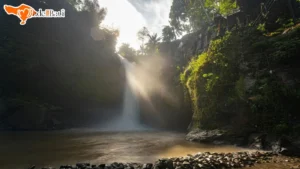
What rainy season does deliver is greener landscapes. Rice terraces at Jatiluwih look exceptional when the paddies are full and lush. Waterfalls like Tegenungan and Nungnung run stronger and more dramatically. The island feels quieter and less transactional.
Why the Two Seasons Affect Different Travelers Very Differently
A wellness traveler staying in an Ubud villa with a spa package will barely notice the difference between July and January. Their experience is largely indoors and experiential regardless of season. Contrast that with a traveler whose trip centers on beach days, sunrise swims, and outdoor photography, and the season choice suddenly carries significant weight.
This is why a single blanket recommendation fails. The more useful question is not “which season is better” but “which season aligns with what I came here for.”
The Low Season Price Assumption That Catches Many Travelers Off Guard
There is a widespread belief that visiting Bali during the rainy season automatically means lower prices. This is mostly true, but it contains an important exception that catches many travelers by surprise.
When Rainy Season Prices Spike Anyway
December and early January technically fall inside the rainy season. But they do not behave like the quiet off-peak months. Christmas and New Year bring a surge of international visitors, and accommodation prices in popular areas like Seminyak, Canggu, and Ubud climb to levels that rival or exceed peak dry season rates. You end up with wet weather and peak season prices at the same time, which is arguably the most challenging combination Bali offers.
The same dynamic applies around Chinese New Year, which falls in late January or February depending on the year. Certain areas, particularly Sanur and Kuta, see noticeable spikes in domestic and regional visitor numbers during this period.
The practical implication is straightforward: if your goal is combining lower prices with the rainy season experience, target November, the first half of December before the holiday rush, or late January through March. Those windows genuinely deliver quieter streets and better accommodation value. The holiday weeks in between do not.
The Shoulder Months Most Travelers Overlook
May, June (before the July peak), and September sit in a sweet spot that experienced Bali travelers often choose deliberately. Weather in these months is predominantly dry and reliable. Crowds are significantly lower than July and August. Accommodation rates are more negotiable, and some properties run promotions specifically to maintain occupancy before and after the busiest windows.
May in particular tends to offer near-ideal conditions. The wet season has wound down, landscapes are still green from the months of rain, and visitor numbers have not yet climbed to their summer peak. September mirrors this after the July-August surge clears. These are the months where Bali feels most balanced: good weather, manageable crowds, and reasonable pricing.
Which Bali Experience Are You Planning For?
Rather than recommending a single best month for everyone, the more useful approach is mapping your specific travel goals to the conditions that actually support them. Here is how that match looks across the most common trip types.
Beach Days, Sunsets, and Pool Time
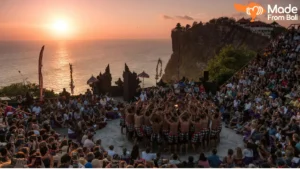
If your primary reason for visiting Bali is beach and resort time, the dry season (May through September) is clearly your best window. Southern beaches like Seminyak, Kuta, Balangan, and Melasti are at their most accessible, with calm conditions and consistent sunshine. Uluwatu’s clifftop sunset is best experienced without the cloud cover that builds in the wet season.
The tradeoff in peak months is crowd density. Beach clubs along the Bukit Peninsula and Seminyak fill up quickly during July and August, particularly on weekends. If you visit during this window, arriving early at popular beach spots makes a meaningful difference. Melasti Beach in Uluwatu, for example, is significantly more pleasant before 10am than it is at midday in high season.
Surfing and Water Sports
Bali’s surf seasons split cleanly along coast lines. During the dry season, southeast trade winds blow offshore along the west coast, creating clean and well-groomed waves at spots including Uluwatu, Bingin, Padang Padang, and Canggu. This is the prime window for surfing the Bukit Peninsula, and June through August offers the most consistent swell for intermediate and experienced surfers.
During the wet season, wind direction reverses. The west coast becomes messier and less predictable, but the east coast activates. Spots around Nusa Dua, Serangan, and Keramas pick up cleaner swell during the northwest monsoon. For surfers willing to adjust their location, Bali is genuinely surfable year-round. The east coast during the wet season also means fewer crowds in the water.
Beginners have it easier than they might expect. Beach breaks suitable for learning are accessible in most months, and surf schools in Kuta, Canggu, and Seminyak operate through both seasons.
Temple Visits, Ceremonies, and Cultural Immersion
Cultural timing in Bali is less about weather and more about the island’s ceremonial calendar, which follows the 210-day Pawukon cycle rather than the Gregorian year. Temples hold their own anniversary ceremonies (Odalan) on a rotating schedule, meaning any visit to Bali will encounter some level of ceremony somewhere on the island.
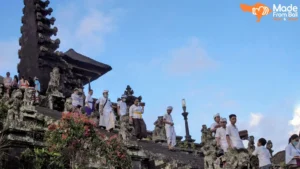
For travelers specifically interested in Balinese Hindu culture, certain festival windows are worth planning around. Galungan and Kuningan in 2026 run from June 17 through June 27. During Galungan, villages across the island erect towering bamboo penjor poles, families dress in traditional white and gold to visit family temples, and streets fill with the scent of offerings and incense. It is one of the few times you can observe the private spiritual life of the Balinese through the simple act of walking through a village. Importantly, Bali remains open during Galungan, unlike Nyepi.
The Bali Arts Festival runs from mid-June through mid-July, centered in Denpasar, with traditional dance, music, crafts, and culinary exhibitions. Combining the dry season weather window with the Galungan-Kuningan period and the Arts Festival makes June 2026 an unusually rich cultural and weather combination.
Wellness, Spa, and Quiet Retreats
Wellness travelers are perhaps the group least constrained by season. Spa treatments, yoga retreats, meditation, and cooking classes operate year-round and in many cases feel more immersive during the quieter wet season months. The sound of afternoon rain outside a spa room during a traditional Balinese massage is not a disruption. Most guests describe it as the opposite.
Ubud is particularly well-suited to wellness in the shoulder and wet season months. Fewer visitors means spa bookings are easier to secure, yoga studios are less crowded, and the overall pace of the town slows in a way that supports the retreat atmosphere. If your trip is primarily wellness-focused, November through April (avoiding the Christmas-New Year spike) offers genuine value.
Waterfalls, Rice Terraces, and Lush Landscapes
This is the one category where the wet season holds a clear and unambiguous advantage. Bali’s most photographed rice terraces, including Tegallalang, Jatiluwih, and the Sidemen Valley, look dramatically different when the paddies are filled and the surrounding jungle is deep green. Waterfalls run at their most powerful and photogenic during and just after the rainy season. Tegenungan, Nungnung, and the waterfalls around Munduk in North Bali are at their best from December through March.
Hikers and photographers who make this their priority often deliberately choose the shoulder edges of the wet season, particularly November and March to April, when landscapes are lush but the worst downpours have either not yet arrived or are already clearing.
Area-by-Area: Rain Behaves Differently Depending on Where You Are in Bali
One detail almost entirely absent from standard Bali travel content is that the island does not experience rain uniformly. The northwest monsoon hits the west and south of the island hardest. Move toward the east and north and the picture changes considerably.
South Bali During the Wet Season
Seminyak, Canggu, Kuta, and Uluwatu are the areas most affected by wet season rainfall. Afternoon storms are heavier here, roads can flood briefly during intense downpours, and beach conditions become inconsistent. This is where the wet season has the strongest practical impact on outdoor plans.
That said, even in south Bali during the wetter months, mornings remain largely usable. The beach at Seminyak during a calm December morning can be genuinely beautiful. The issue is consistency, not a complete washout.
Ubud and the Central Highlands
Ubud receives rain throughout the wet season but benefits from its elevation and inland position. Afternoon showers tend to clear before evening, and the mist that settles over rice terraces and jungle after rain creates an atmosphere that many travelers find more atmospheric than a clear blue-sky day. Cultural activities, spa treatments, cooking classes, and temple visits are unaffected by rain. Ubud is one of the most season-flexible destinations on the island.
The East Coast and North Bali Rain Shadow
This is the least known but practically important regional variation. Areas along Bali’s east coast, including Amed, Candidasa, and Padangbai, and the north coast around Lovina and Singaraja, sit in relative rain shadow during the northwest monsoon. They receive noticeably less rainfall than the south and west of the island during the wet season months.
For travelers who want to visit during the wet season but still prioritize outdoor activities, positioning a portion of their trip in Amed or North Bali can preserve outdoor time. Diving around Amed’s coral walls and the Liberty Wreck in Tulamben is genuinely excellent during wet season months, with calm water conditions on the sheltered east coast.
Bali’s Festival Calendar and Why the Timing of Your Visit Shapes the Experience
Bali’s ceremonial and festival calendar adds a layer to timing decisions that most first-time visitors underestimate. The island does not simply host festivals. It lives through them. Understanding a few key events can transform a well-timed visit from pleasant to unforgettable, or help you avoid disruptions you did not anticipate.
Nyepi, the Day of Silence: What It Means for Travelers With Flights or Plans
Nyepi falls on March 19, 2026. It is Bali’s most distinctive and widely misunderstood holiday. Marked as the Balinese Hindu New Year, Nyepi is a day of complete island-wide silence and stillness. No vehicles move on the roads. Shops, restaurants, and businesses close. Electricity is reduced in many areas. And the airport shuts down entirely for 24 hours.
For travelers, the implications are concrete and worth planning around:
- Anyone with a flight in or out of Ngurah Rai Airport on or around March 19 needs to check schedules carefully. Flights the day before and after Nyepi are sometimes affected by the scheduling disruption.
- Travelers staying in Bali on Nyepi are expected to remain in their accommodation. Hotels and villas continue operating internally, and many prepare themed dinners, meditation sessions, or stargazing events, since the absence of light pollution makes Nyepi night one of the best opportunities for clear sky views in the region.
For culturally curious travelers who are already in Bali, Nyepi is a rare and deeply memorable experience. The night before, Ogoh-ogoh parades take place across the island, featuring enormous hand-built demon effigies carried through villages to dramatic gamelan music. Then silence descends. The experience of an island of four million people choosing collective stillness is unlike anything in conventional tourism.
Galungan and Kuningan: The Festival Most Visitors Hope to Accidentally Walk Into
In 2026, Galungan runs from June 17 through June 27, closing with Kuningan on June 27. Unlike Nyepi, Bali remains fully open and operational throughout this period.
The visible transformation is immediate. Tall bamboo penjor poles arc over village streets across the entire island, each decorated with woven coconut leaves, flowers, and offerings. Families dress in traditional attire and move through temple circuits in the morning. The air carries incense, palm sugar, and the sound of gamelan in village courtyards. Shops and services continue, though some family-run businesses may operate reduced hours.
For travelers, this window offers something genuinely rare: the private spiritual life of the Balinese expressed publicly and joyfully in the streets. Walking through a residential village during Galungan morning is completely different from any beach club or tourist attraction experience Bali offers. The combination of peak dry-season weather, the week before the July crowd surge, and this festival period makes mid-June 2026 one of the best-timed moments to visit in the near future.
Visitors observing ceremonies should dress modestly, avoid stepping over or disturbing offerings placed on the ground, and ask permission before photographing individuals or private ceremonies. A sarong and sash are appropriate for any temple proximity.
The Bali Arts Festival and the Kite Festival Season
The Bali Arts Festival runs annually from mid-June through mid-July, centered at the Werdi Budaya Arts Center in Denpasar. It features traditional Kecak and Legong dance, gamelan competitions, craft exhibitions, and culinary showcases from across Bali’s regencies. Events are largely open to visitors and many performances are free or low-cost.
The Bali Kite Festival, typically held in late July at Padang Galak Beach in Sanur, is one of those events that travelers stumble onto and immediately love. Traditional giant kites (some reaching ten meters) shaped as fish, birds, and leaves compete in the sky above the beach, accompanied by music and street food. It aligns with peak dry season and adds a distinctly local and festive layer to any visit during that window.
If Your Dates Are Already Fixed
Not every traveler has full flexibility. Many people book Bali around work leave, school holidays, or travel companions’ schedules. If your dates are set and you are arriving in a less ideal window, the goal shifts from choosing your season to maximizing what your season offers.
Making Peak Season Work Without Fighting the Crowds
Traveling in July and August does not have to mean spending your time frustrated by traffic and crowds. The island is genuinely enjoyable during peak season for travelers who plan with its patterns in mind.
A few practical approaches make a real difference:
- Schedule major temple visits and popular sites for early morning, before 9am where possible. Tanah Lot, Uluwatu, and Tegallalang Rice Terraces are dramatically more manageable in the early hours.
- Build buffer time into road-based itineraries. The Canggu to Ubud journey, normally around 45 minutes to an hour, can stretch to two hours or more during peak season at busy times of day. Allow for this rather than building a schedule that depends on fast connections.
- Choose north and east Bali day trips strategically. Areas like Amed, Lovina, and Tirta Gangga see far fewer visitors even during peak season, and offer a noticeably different pace.
- If beach clubs are on the itinerary, weekdays are meaningfully calmer than weekends, and arriving before noon secures better spots and shorter waits.
Getting the Most From a Rainy Season Visit
A rainy season visit works best when it is structured around the morning-outdoor, afternoon-indoor pattern that the weather naturally suggests. Rather than fighting afternoon rain, build it into the day as a natural rhythm.
Mornings are ideal for rice terrace walks, waterfall visits, temple ceremonies, cycling, and outdoor trekking. Afternoons are when Bali’s spa culture, cooking classes, art galleries, and cafe scene genuinely shine. The Agung Rai Museum of Art in Ubud is a calming and beautiful space for a rainy afternoon. Cooking classes in Ubud and Sidemen work particularly well as mid-day sheltered activities.
Evening usually clears enough for outdoor dining, and some of the most atmospheric restaurant experiences in Bali happen during or just after a wet-season rain, with steaming food, candles, and damp jungle air creating an ambiance that dry season tourists rarely encounter.
A Month-by-Month Planning Reference for Bali
This table provides a quick orientation across the full year for travelers cross-referencing their specific travel dates.
| Month | Weather | Crowd Level | Price Level | Highlights |
|---|---|---|---|---|
| January | Wet season, heaviest rain period | Moderate (post-holiday drop) | Low to moderate | Lush landscapes, waterfalls at peak, quiet after New Year |
| February | Wet season, still heavy | Low | Low | Best budget window, quietest beaches, strong waterfalls |
| March | Wet season tapering | Low to moderate | Low | Nyepi 2026 on March 19, landscapes still green |
| April | Shoulder, transitioning dry | Moderate | Moderate | Reliable sunshine increasing, good conditions building |
| May | Early dry season | Moderate, growing | Moderate | Near-ideal balance of weather, price, and crowds |
| June | Dry season, pre-peak | Moderate | Moderate | Galungan June 17-27, Bali Arts Festival begins, excellent overall |
| July | Peak dry season | High | High | Best beach and surf weather, busiest period, plan around traffic |
| August | Peak dry season | Very high | High | Sunniest month, maximum crowds, book well in advance |
| September | Late dry season | Moderate, declining | Moderate | Crowds ease while weather stays reliable, strong value |
| October | Shoulder, transitioning wet | Low to moderate | Low to moderate | Occasional rain, landscapes greening, good pricing |
| November | Early wet season | Low | Low | Rain increases, excellent spa and culture timing, quiet |
| December | Wet season | Moderate to high (holiday peak) | High (holiday window) | Holiday spike mid-month, festive atmosphere, avoid if budget-focused |
Visiting Bali for the First Time Versus Returning Travelers
First-time visitors and those returning to Bali often benefit from very different timing strategies. The island reveals itself differently depending on what you already know and what you have already experienced.
First-Time Visitors and the Case for Shoulder Months
For someone visiting Bali for the first time, May, June (before the peak), and September offer the most forgiving combination of conditions. Weather is reliable enough that outdoor plans are not at risk. Crowds are present but not overwhelming. Prices are competitive. And the full range of Bali experiences, from Uluwatu temple and Tegallalang rice terraces to beach clubs and cultural performances, is accessible without requiring early-morning timing strategies or significant crowd management.
First-time visitors also tend to try more places across the island. This means more road time, and shoulder months are noticeably more pleasant for multi-area itineraries than peak July and August, when traffic between the southern areas can consume a frustrating portion of a day.
Returning Travelers and Seasons Worth Exploring
Travelers who have done the dry-season Bali experience and want something different often find the most surprising value in November and the first half of December, or in April when the landscape transitions from its wettest and greenest state back toward the dry season’s reliability. These windows offer Bali at a pace and texture that the peak season version does not.
Returning travelers are also better positioned to appreciate the wet season’s more immersive cultural possibilities: longer time at temples without competing crowds, more genuine interactions in quieter villages, and the particular atmosphere of an island town during rain.
What Any Season in Bali Has in Common
Whatever month you arrive in Bali, certain things remain constant and worth knowing before you go. Temperatures stay warm and comfortable year-round, typically between 25 and 32 degrees Celsius at lower elevations. Ubud, sitting higher, runs slightly cooler and is particularly pleasant in the evenings regardless of season.
The island’s spiritual rhythms do not pause for seasons. Temple ceremonies, daily offerings, and Balinese Hindu ritual continue through every month of the year, and a traveler willing to observe them respectfully will find cultural depth in any window. The culinary scene, the spa culture, and the warmth of Balinese hospitality do not have an off season.
The best time to visit Bali is genuinely the time that aligns with what you are looking for. This guide exists to help you identify that clearly, because a well-matched trip to Bali in November will outperform a poorly matched one in August. Timing is not about finding perfection in a forecast. It is about understanding the island well enough to work with what each season offers.
Made From Bali Tour and Travel operates across all seasons and all areas of the island, which means the practical guidance in this article comes from real on-ground familiarity with how Bali actually behaves at different times of year. Whether you are planning a cultural journey around Galungan, a wellness retreat in Ubud during the quieter wet months, or a full coastal itinerary in the dry season, the right timing and the right guidance make every month a workable starting point.
References
- Bali.com. Bali Weather and Climate. https://bali.com/bali/weather/
- The Awkward Traveller. Best and Worst Time to Visit Bali. https://theawkwardtraveller.com/best-and-worst-time-to-visit-bali/
- Bali Holiday Secrets. High Season in Bali 2026. https://www.baliholidaysecrets.com/high-season-in-bali/
- Villa Bali. Bali 2026 Events Calendar. https://www.villa-bali.com/guide/bali-2026-events-calendar/
- BitJoy Global. Bali Festivals Calendar by Month 2026. https://thebitjoy.com/blogs/blog/bali-festivals-calendar-by-month-dates-meanings-amp-travel-tips
- Travjoy. Galungan and Kuningan 2026. https://travjoy.com/blog/galungan-and-kuningan-what-is-bali-s-most-important-festival
- Finn’s Beach Club. Public Holidays Bali 2026. https://finnsbeachclub.com/guides/public-holidays-bali/
- Bali Marks. Rainy Season in Bali Guide. https://balimarks.com/travel-tips/rainy-season-in-bali-guide/
- Lonely Planet. Best Time to Visit Bali. https://www.lonelyplanet.com/articles/best-time-to-visit-bali
- Travel Online. Best Time to Visit Bali 2025. https://www.travelonline.com/bali/best-time-to-visit
- Kalo Surf. Bali Surf Seasons Monthly Breakdown. https://www.kala.surf/blog/bali-surf-seasons-the-ultimate-guide-with-monthly-breakdown