

The problem with most Bali travel guides is not a shortage of places to visit. It is too many places listed with too little guidance on which ones are actually worth your limited time, what each one genuinely feels like in person, and how to connect them in a way that makes geographic and logistical sense. Travelers who arrive in Bali with a list of thirty attractions quickly discover that covering even half of them means rushing through every one, spending more time on the road than at the destinations, and returning home with a collection of viewpoint photographs and very little of the atmosphere that makes Bali worth visiting.
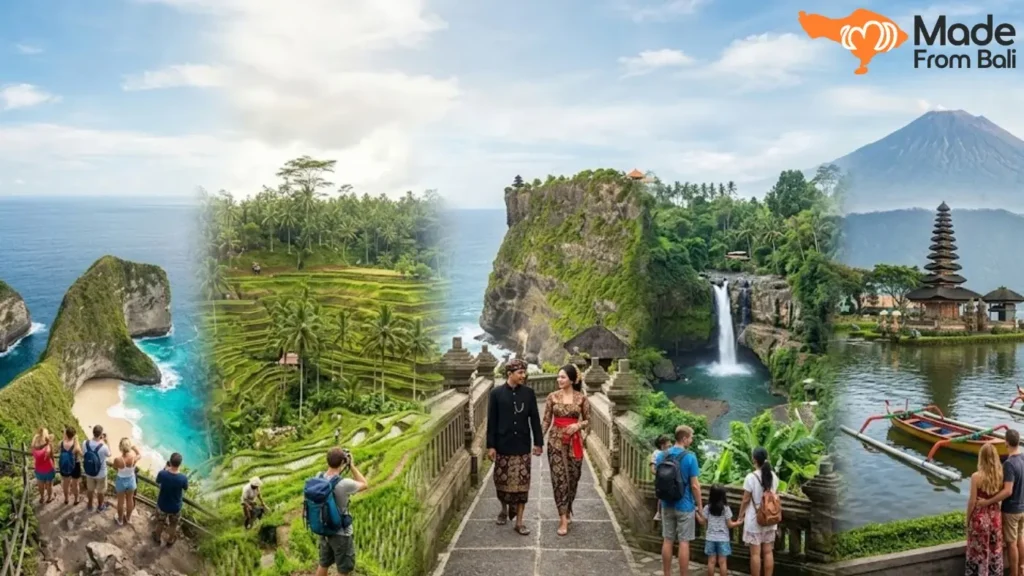
The island is diverse in ways that are easy to underestimate from the outside. The south coast’s cliff temples and surf beaches exist in an entirely different register from the terraced agricultural highlands of Ubud. East Bali, where volcanic peaks frame ancient royal water gardens and black sand coves, is barely recognizable as the same island as the cocktail bars of Canggu. North Bali, with its crater lakes and highland waterfalls, feels genuinely remote despite being less than two hours from the airport.
Understanding Bali by region, and understanding which places within each region actually deliver on their reputation, is what turns a Bali trip from a rushed itinerary into a genuinely memorable experience. This guide is built around that framework. It covers the regions, the honest assessments, the places most visitors miss, and the practical logic of how to put it all together for your specific trip.
Understanding Bali by Region Before You Make a List
Before committing to any list of specific sites, it helps enormously to understand Bali’s regional character. The island is not uniform. Different areas have developed different personalities, and choosing your base and your priorities based on those personalities rather than simply following a top-ten list is the decision that most affects what your trip feels like.
South Bali and the Coastal Energy of Seminyak, Canggu, and Uluwatu
South Bali is where most visitors arrive and where the island’s contemporary energy is most concentrated. Seminyak and Canggu in particular have developed into sophisticated areas with excellent restaurants, design-forward accommodation, surf culture, and the kind of beachfront sunset experience that Instagram has turned into one of Bali’s defining images. This is not a criticism. The sunsets at Seminyak beach are genuinely extraordinary, and the food scene across these areas is among the best in Southeast Asia.
What south Bali does well is lifestyle. It does culture and nature less consistently. Travelers who base themselves here and want to access Bali’s temples, rice terraces, and volcanic highlands need to be prepared for the driving time involved. The cliff temples of Uluwatu sit at the southern tip of the Bukit Peninsula, about forty minutes from Seminyak, and the drive to Ubud takes between one and two hours depending on traffic. South Bali suits travelers who want comfort and accessibility as a base while making day trips to the island’s more culturally significant areas.
Ubud and the Cultural Heartland of the Island
Ubud operates at a slower pace and a different register entirely. Set in the central highlands among rice terraces, rivers, and villages that have maintained artistic and spiritual traditions for centuries, it functions as Bali’s cultural capital in a way that is genuinely felt rather than simply marketed. Traditional dance performances happen at the Ubud Palace several times a week. Silversmith workshops in nearby Celuk and woodcarving studios in Mas are not tourist traps but actual working craft operations. The rice terrace landscapes around Ubud, particularly in the less-visited areas north of the town center, are agricultural systems of real cultural significance.
Ubud suits travelers who want depth over style. It is less immediately comfortable than south Bali’s resort areas, the nightlife is quieter, and the pace is slower. In exchange, it offers the most concentrated access to Balinese Hindu culture, some of the island’s best cooking classes and wellness experiences, and landscapes that reward slower, more attentive exploration.
East Bali and the Quieter Side Most Visitors Never Reach
East Bali is where the island shows its most dramatic face. The shadow of Gunung Agung, Bali’s highest and most sacred peak, dominates the eastern landscape, and the sites that cluster around the Karangasem regency carry a quality of quiet and historical weight that the more visited areas of the island cannot match. Tirta Gangga, Pura Lempuyang, and the Sidemen valley are all located in the east, and each one rewards travelers who make the longer drive.
The honest note about east Bali is that it requires commitment. Getting here from south Bali takes two to three hours depending on your starting point and traffic. The roads are manageable but not always fast. The reward is an experience of Bali that feels genuinely untouched by mass tourism in ways that are increasingly rare on the island. Travelers who prioritize authenticity and are willing to move their base eastward, even for one or two nights in Sidemen or Amed, consistently describe the east as the highlight of their trip.
North Bali and the Highlands Worth the Drive
North Bali exists in a cooler, quieter, and more remote dimension than anything in the south. The drive from the main tourist areas takes a minimum of two hours, and the landscape shifts noticeably as you climb: the air cools, the vegetation changes, and the agricultural terraces of the central highlands give way to the dramatic caldera landscapes of the Kintamani area and eventually to the quieter coastal towns of the north coast around Lovina.
Most visitors skip north Bali entirely, which is exactly why it belongs on this list. The lake temple at Beratan, the UNESCO-recognized rice terraces at Jatiluwih, the highland village of Munduk with its waterfall walks, and the Singaraja coast each offer something unavailable in the south. A night in Munduk or Lovina, waking up above the cloud line in the cool highland air, is one of the most distinctive experiences available anywhere on the island.
The Places in South Bali That Actually Deliver
South Bali’s reputation for being overcrowded and commercial has some basis in reality, particularly in the Kuta area. But the Bukit Peninsula and the better parts of the south deliver experiences that are genuinely spectacular when approached with the right timing and the right expectations. The key is knowing which specific places within the south are worth building time around.
Uluwatu Temple at Sunset and the Kecak Fire Dance
Pura Luhur Uluwatu sits on a clifftop at the southwestern tip of the Bukit Peninsula, roughly 70 meters above the Indian Ocean. It is one of Bali’s six most spiritually significant directional temples, and it has a physical setting that is difficult to overstate. The cliff edge, the ocean crashing below, and the long-tailed macaques that inhabit the temple grounds create an atmosphere that is both dramatic and genuinely sacred.
The timing consideration at Uluwatu is critical. The temple is at its most atmospherically powerful in the hour before sunset, when the light comes from directly behind the ocean horizon and the stone of the temple complex glows in a specific quality of golden light that disappears quickly. The Kecak fire dance performance, held in an open-air amphitheater at the cliff edge and timed to coincide with sunset, is one of the most theatrical and visually extraordinary performances in Bali. The combination of the fire, the chanting of a hundred-strong male chorus, and the setting sun visible behind the performers creates a moment that most travelers describe as one of the highlights of their entire trip.
Arrive at the temple at least ninety minutes before sunset to walk the grounds before the crowds concentrate for the performance. Kecak tickets should be purchased in advance or confirmed early in the day during peak season.
Tanah Lot and Why Timing Changes Everything
Tanah Lot is one of the most photographed sites in Bali and simultaneously one of the most frequently disappointing. The temple sits on a rock formation rising from the sea, surrounded by water at high tide and connected to the shore by a small causeway at low tide, and the silhouette at sunset is genuinely iconic. The problem is that most visitors arrive in the two hours before sunset along with every other tour group on the island, and the experience becomes a queue for a viewpoint rather than a meaningful encounter with a sacred site.
Arriving at Tanah Lot in the early morning, before 8am, completely transforms the experience. The light comes from the east and illuminates the temple from the front rather than silhouetting it. The crowds are minimal. The ocean is calmer. The temple complex itself is accessible rather than overwhelmed by visitors. If your schedule allows only one Tanah Lot visit and you want to see the famous sunset silhouette, arrive by 4pm rather than 5pm, find a position on the western viewing platform, and accept that the most photogenic moment is also the most crowded. If you can visit twice, the early morning visit is the one worth building time around.
The Beaches of Uluwatu and the Bukit Peninsula
The Bukit Peninsula in the south contains some of Bali’s most beautiful beaches, and the challenge with most of them is access. The limestone cliff that defines the peninsula means that beaches sit at the base of significant drops, and reaching the water often involves a walk down steep stairs, a descent through a cave, or both. This access challenge is also what keeps them from being overcrowded.
The beaches worth the effort:
- Padang Padang: Accessed through a narrow slot in the cliff face and down a long staircase, this beach is small, sheltered, and exceptionally beautiful. Arrive before 9am and it feels like a private cove. After 10am the access path fills with visitors.
- Bias Tugel: Near Padang Bai on the east coast of the Bukit, this small white sand beach requires a twenty-minute walk along a cliff path and is one of the most rewarding low-effort hidden beaches on the island. Almost no tour groups reach it.
- Green Bowl: Deep in the Bukit, accessible by nearly 300 steps and almost entirely unknown to casual visitors. The water is turquoise and the beach is rarely occupied by more than a handful of people.
The surf breaks at Uluwatu itself, at the base of the cliff below the temple, are world-class and among the most technically demanding waves in Bali. Non-surfers can watch from the clifftop warung above.
Seminyak and Canggu as a Base for the South
Seminyak and Canggu function best as bases rather than destinations in themselves. The accommodation, restaurant, and beach club options in both areas are excellent, the sunset beach strip in Seminyak delivers reliably on the promise of Bali beach culture, and both areas provide easy access to the Bukit Peninsula sites to the south and Tanah Lot to the north.
Canggu in particular has shifted significantly in character over the past decade, moving from a surf village to a digital nomad and lifestyle hub with strong cafe culture, yoga studios, and a creative food scene that rivals anything in Southeast Asia. For travelers who want Bali’s lifestyle atmosphere with slightly more edge and less polish than Seminyak, Canggu delivers. For travelers who want the full Bali experience, both areas are better used as starting points for exploring the wider island than as the primary focus of the trip.
Ubud and the Sites That Surround It
Ubud’s most famous sites are famous for good reason, but the way most visitors experience them, arriving at peak hours with every other tour group, strips out much of what makes them remarkable. The single most effective thing you can do for any Ubud-area site is adjust your timing by two hours earlier than you were planning. What this section offers is the honest picture of each site and the specific insight that makes visiting them worthwhile rather than merely checked off.
Tegallalang Rice Terraces and the Better Alternative Nearby
Tegallalang is the rice terrace Bali became famous for, and it is genuinely beautiful. The terraced hillside north of Ubud drops dramatically into a river gorge, and the light on the terraces in the morning is the quality that landscape photographers chase. It is also, by mid-morning on any given day, one of the most crowded spots in Bali. Swing installations, cafes positioned along the ridge, and tour groups arriving from 9am onward change the atmosphere from serene to commercial.
The honest guidance is this: if you want the iconic Tegallalang experience, arrive before 8am and leave by 9am. Alternatively, visit Jatiluwih instead. Jatiluwih, in the Tabanan highlands approximately forty-five minutes further north and west, is a UNESCO World Heritage Site covering a dramatically larger and less-visited rice terrace landscape. The scale is bigger, the crowds are significantly smaller, the subak irrigation system visible in the landscape has been recognized for its cultural significance by UNESCO, and the drive through the agricultural highlands to reach it is beautiful in its own right. For travelers who have one rice terrace experience available in their itinerary, Jatiluwih is the more rewarding choice.
Tirta Empul Water Temple and the Purification Experience
Pura Tirta Empul, near Tampaksiring north of Ubud, is one of the most significant active water temples in Bali. Built around a freshwater spring whose water is considered holy by Balinese Hindus, the temple contains a series of purification pools where both Balinese worshippers and visiting tourists can participate in a ritual bathing ceremony. The spring has been flowing continuously for over a thousand years, and the ritual that takes place in the pools draws from traditions that predate modern Balinese Hinduism.
The experience of entering the pools early in the morning, before the tour groups arrive, is genuinely moving. The water is clear, cold, and powerful, and the ceremony, moving from spout to spout in sequence, each with a specific intention, has a meditative quality that is difficult to find in more visitor-oriented experiences. Respect for the ceremony is essential. Dress codes are strict, sarongs are required, and participating with genuine attention rather than as a photo opportunity is both culturally appropriate and personally more meaningful. By 10am the pools become crowded and the atmosphere shifts. Before 8am it is one of the most authentic cultural experiences available on the island.
Pura Besakih and What the Mother Temple Requires of You
Pura Besakih is Bali’s largest and most spiritually significant temple complex, known as the Mother Temple of Bali, and it sits on the southwestern slope of Gunung Agung at approximately 1,000 meters elevation. It is not a single temple but a complex of twenty-three temples spread across the volcanic hillside, and it has been a center of Balinese Hindu worship for over a thousand years.
Besakih requires more planning and more respect than almost any other site on the island. The complex is large enough to explore for two to three hours. The dress requirements are strict. Guides at the entrance are compulsory and are worth accepting rather than circumventing, as navigation without guidance leads to genuinely missing the most significant parts of the complex. Arriving in the early morning, before the mist clears and the day heats up, gives the temple an atmospheric quality, with volcanic cloud drifting between the multi-tiered shrines, that is unlike anything else in Bali.
The honest note is that Besakih can feel commercialized around the entrance area, and persistent offers of “guided tours” at the gate are a known annoyance. Having a private driver or a tour provider who handles the logistics directly, including the temple guide arrangement, removes this friction and allows you to focus entirely on the experience.
The Villages and Craft Districts Around Ubud
The area surrounding Ubud is a patchwork of villages, each with a specific artistic tradition that has been maintained for generations. Most visitors drive past them on the way to the rice terraces without realizing what is happening on either side of the road. Knowing which villages exist and what they produce transforms the drive from Ubud into a cultural journey rather than a commute.
The craft villages worth stopping at include:
- Celuk: The center of Balinese silversmithing. Family workshops here produce the intricate silver jewelry and decorative objects that appear in shops across the island. Visiting the actual workshops rather than the retail showrooms gives a completely different insight into the craft.
- Mas: The traditional woodcarving village, where workshops produce everything from Garuda figures to contemporary sculpture. The skill level varies significantly between workshops, and spending time with a senior carver in an active studio is a genuinely memorable experience.
- Batuan: Known for Batuan-style painting, a distinctive dark and intricate form of Balinese art that depicts mythological scenes and village life. The Batuan painting style was formalized in the 1930s with input from Western artists who settled in Bali during that period.
- Blahbatuh: Home to Pura Gaduh, which houses a stone head believed to represent the mythological giant Kebo Iwa, and one of the less-visited temples in the Ubud area.
East Bali and the Sites That Reward Slower Travel
East Bali requires more effort to reach than any other region on this list, and it delivers the highest concentration of genuinely extraordinary experiences for the effort invested. Travelers who make the drive east, particularly those who stay overnight in the area rather than day-tripping from south Bali, consistently describe the east as the part of Bali that exceeded every expectation.
Tirta Gangga Royal Water Gardens
Tirta Gangga, built in 1948 by the last raja of Karangasem, is a royal water garden that uses the same spring-fed freshwater tradition as Tirta Empul but in a completely different aesthetic register. The pools, fountains, stone carvings, and stepping stones are set against a backdrop of terraced rice fields climbing the slope of Gunung Agung, and the combination of the formal garden design and the organic agricultural landscape behind it creates a composition that is among the most beautiful in Bali.
The garden is best visited in the early morning when the light comes from the east, the mist sits in the surrounding rice fields, and the water in the pools is still. Entry fees are modest and visitors can swim in some of the pools, which is a remarkable experience given the setting. The surrounding rice field paths can be walked on foot, and the villages around Tirta Gangga offer some of the most authentic rural Balinese life visible anywhere on the island.
Pura Lempuyang and the Gateway to Heaven
The famous “Gate of Heaven” photograph that appears across social media, a split gateway perfectly framing the peak of Gunung Agung beyond, is taken at the lowest of seven temples on the Lempuyang ridge. The gate itself is genuinely beautiful, the mountain framing is genuinely extraordinary when conditions are clear, and the pilgrimage path up through the seven temples rewards those who go beyond the first gate with increasingly dramatic views and fewer fellow visitors.
Two practical notes worth knowing. First, the famous reflection in the photograph is created by a mirror held below the frame by a temple photographer. The pool does not exist. This is not a dealbreaker but is worth knowing before you arrive expecting a natural reflection. Second, the full ascent to all seven temples involves over 1,700 steps and takes several hours. Most visitors see only the first gate, which is still worthwhile, but the upper temples offer views over the east Bali coast that are available almost nowhere else.
Sidemen Valley and the Agricultural Landscape Around It
Sidemen is the quieter, deeper, less visited version of the Ubud landscape experience. The valley runs north from the town of Klungkung into the foothills of Gunung Agung, and the view from almost any elevated position in the valley encompasses terraced rice fields, the volcanic peak above, and a quality of agricultural landscape that has remained relatively unchanged for generations.
There are no major temples to visit in Sidemen and no single iconic viewpoint to photograph. What it offers instead is the experience of walking through a working agricultural landscape, watching farmers manage the terraces, passing through villages where daily Balinese life continues without reference to the tourism economy, and feeling the pace of the island slow to something that feels genuinely restorative. Staying overnight in one of Sidemen’s small guesthouses and walking the valley in the early morning is one of the most recommended experiences among repeat Bali visitors who know the island well.
Amed and the Black Sand Coast
Amed is a string of small fishing villages along the northeast coast of Bali, backed by the volcanic slope of Gunung Seraya and facing the strait that separates Bali from Lombok. The beach sand is dark, almost black in places, volcanic in origin, and the contrast between the dark sand, the turquoise water, and the volcanic peaks is visually striking in a way that is completely distinct from Bali’s more famous white sand beaches.
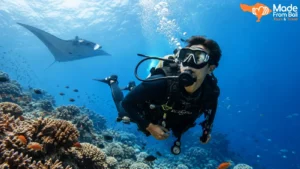
Amed is primarily a diving and snorkeling destination. The USAT Liberty shipwreck at nearby Tulamben, sunk by a Japanese torpedo in 1942 and now resting in shallow water close to shore, is one of the most accessible wreck dives in the world. The coral gardens along the Amed coast are in excellent condition and support marine life that rivals anything in the Gili Islands. For travelers whose primary interest is underwater, Amed is the most rewarding base in Bali.
North Bali and the Highland Circuit
North Bali demands a departure from the usual Bali itinerary, and that departure is exactly the point. The landscape here is cooler, the crowds are thinner, and the character of the island is shaped by a different agricultural and cultural tradition from the south. The drive itself, climbing through the central highlands and descending through pine forests to the north coast, is one of the most beautiful road journeys in Indonesia.
Pura Ulun Danu Beratan on Lake Beratan
Pura Ulun Danu Beratan is the temple that appears on the Indonesian 50,000 rupiah note, and the real-world version is as visually striking as the illustration suggests. The temple complex sits on the western shore of Lake Beratan at approximately 1,200 meters elevation, and in the early morning when the lake mist sits at water level, the multi-tiered meru towers appear to float on the surface. The Bedugul area around the lake is cooler than anywhere in south Bali, the agricultural market at nearby Candikuning is one of the most interesting markets on the island, and the botanical garden at Eka Karya offers a completely different kind of natural experience from anywhere else in Bali.
Jatiluwih Rice Terraces and the UNESCO Recognition Behind Them
Jatiluwih was inscribed as a UNESCO World Heritage cultural landscape in 2012, recognized not just for its physical beauty but for the subak irrigation system that underlies it. Subak is a cooperative water management system that has governed Balinese rice cultivation for over a thousand years, distributing water from mountain temples through an elaborate network of channels, tunnels, and terraces according to a ceremonial calendar rather than a purely agricultural one. The system reflects a philosophy called tri hita karana, which holds that harmony between humans, nature, and the divine is the foundation of sustainable life.
Understanding this context transforms the experience of walking through Jatiluwih from scenery appreciation to cultural encounter. The terraces you are looking at are not simply beautiful agricultural engineering. They are the physical expression of a spiritual and social philosophy that has sustained Balinese communities for a millennium. The walking paths through the Jatiluwih terraces are well-maintained and allow exploration on foot across a landscape that is dramatically larger than Tegallalang.
Munduk and the Waterfall Walks Through the Highlands
Munduk is a highland village in the Buleleng regency that sits at roughly 800 to 1,000 meters elevation among clove, coffee, and vanilla plantations. It is cooler, quieter, and entirely off the main tourist circuit that most Bali visitors follow. The village itself is a collection of traditional houses along a single ridge road with views over the north Bali coast and down toward the twin lakes of Tamblingan and Buyan.
The walks from Munduk lead through plantation forest to a series of waterfalls, the most visited of which are Munduk Waterfall and Melanting Waterfall. The walking paths are manageable for moderate fitness levels and take between one and three hours depending on the combination of falls visited. The coffee and clove plantations along the routes are active operations, and stopping to learn about the cultivation and processing of these crops from local farmers adds a dimension to the walk that is hard to find in more visited parts of the island.
Lovina and the North Coast Character
Lovina is the main town on Bali’s north coast, a long stretch of black sand beach fronted by calm water that lacks the surf that defines the south. It is quieter, less developed, and shaped by a Balinese Hindu tradition slightly different from the south because of the historical influence of Buddhist kingdoms in the north. The famous dolphin watching excursions that operate from Lovina, taking visitors out in traditional outrigger boats in the pre-dawn dark to watch spinner dolphins in the wild, are the primary tourist activity, but the town functions better as a base for exploring the broader north rather than as a standalone destination.
The hot springs at Banjar, the Buddhist monastery Brahma Vihara Arama set in the hills above the north coast, and the colonial-era architecture of Singaraja, the former Dutch administrative capital of Bali, are all within easy reach of Lovina and collectively offer a version of the island that most visitors to the south never experience.
The Offshore Islands Worth Adding to Your Bali Trip
The waters southeast of Bali contain three islands, Nusa Penida, Nusa Lembongan, and Nusa Ceningan, that collectively offer some of the most dramatic coastal scenery, best snorkeling, and most accessible island escape available within a short fast boat ride of the main island. Adding at least one of these islands to a Bali itinerary is among the most rewarding decisions a traveler can make, particularly for those whose trip is long enough to absorb a dedicated day or overnight.
Nusa Penida and Its Dramatic Cliff Scenery
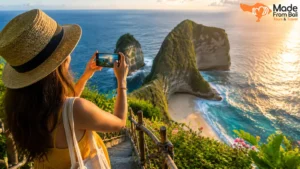
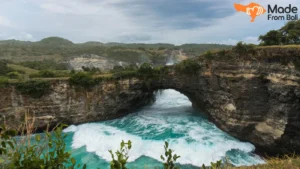
Nusa Penida is the largest of the three islands and the one that has generated the most famous imagery in recent years. Kelingking Beach, with its T-Rex shaped cliff formation, and the natural rock formations at Broken Beach and Angel Billabong have made Nusa Penida one of the most searched travel destinations in Southeast Asia. The island’s roads are challenging, the physical demands at some sites are significant, and the experience of being there is far more demanding than a standard Bali day tour. It is also, for travelers who go prepared, one of the most extraordinary natural environments accessible from Bali.
The east side of the island, with Diamond Beach and Atuh Beach, is quieter and rewards travelers who are willing to go beyond the western highlights circuit. The snorkeling and diving around the island, including manta ray encounters at Manta Point and mola mola sunfish sightings at Crystal Bay during the July to October season, is world-class.
Nusa Lembongan and Nusa Ceningan as a Quieter Alternative
For travelers who want an offshore island experience without the physical demands and road challenges of Nusa Penida, Nusa Lembongan is the natural choice. The island is smaller, the infrastructure is more developed, and the pace is entirely oriented toward relaxation. The mangrove forests on the eastern shore, the surfable breaks on the western coast, the snorkeling sites in the channel between Lembongan and Ceningan, and the small fishing villages that have not yet been entirely absorbed into the tourist economy make it a genuinely pleasant place to spend a night or two.
Nusa Ceningan, connected to Lembongan by a narrow suspension bridge, is even smaller and quieter. The blue lagoon on Ceningan’s southern cliff, visible from a short walk from the road, is the kind of color that makes visitors wonder if it has been digitally enhanced. It has not.
Places Most Visitors Miss but Should Not
Every popular destination has a layer of experience that the standard itinerary does not reach. In Bali, this layer is not hidden in the sense of being inaccessible. It simply requires slightly more effort, slightly more local knowledge, and the willingness to move beyond the sites that appear on every travel list. The following places consistently reward that modest additional effort.
Sidemen as a Slower, Quieter Version of Ubud
Sidemen has already appeared in this guide in the East Bali section, but it deserves mention here as well because it specifically serves travelers who want the Ubud landscape experience without the Ubud crowds. The rice terraces around Sidemen are as beautiful as anything near Ubud. The Gunung Agung backdrop is more dramatic. The accommodation options, while fewer, tend to be smaller, more personal, and set more directly within the agricultural landscape rather than above it.
Travelers who arrive in Ubud, find it more commercially active than they expected, and want to discover a different experience should seriously consider moving their base to Sidemen for even a single night.
Bias Tugel Beach and How to Reach It
Bias Tugel sits near Padang Bai on the east coast, accessible by a twenty-minute walk along a cliff path from a small car park above the bay. The beach is small, the sand is white, the water is clear and calm on most days, and the number of visitors at any given time rarely exceeds a few dozen. There is a small warung at the beach. There are no entrance fees, no swings for Instagram, and no tour groups because the walk keeps casual visitors away.
Finding Bias Tugel independently requires a motorcycle or driver who knows the access point, a willingness to walk the cliff path, and the absence of any signage that makes the process feel simple. It is not difficult. It simply rewards people who look for it rather than those who wait to be led.
The Temples and Villages Off the Main Tourist Circuit
Bali has hundreds of temples, and the most significant ones in terms of visitor numbers, Tanah Lot, Uluwatu, Besakih, Tirta Empul, are all genuinely worth visiting. But the temples that appear on no tour itinerary are often the ones where Balinese religious life is most visibly alive. Pura Dalem Balingkang in the Kintamani highlands, Pura Kehen near Bangli with its massive banyan tree and layered stone gateway, and Pura Maduwe Karang on the north coast with its famous cycling relief carving are all significant, beautiful, and rarely crowded. A private driver who knows the island well can build a temple circuit around any of these that feels like a genuinely original experience rather than a repeat of what every other visitor sees.
Matching Places to Your Trip Length and Travel Style
The places in this guide are organized by region, but the practical question for most travelers is how to fit them into a specific number of days. The following framework is not a rigid itinerary but a set of honest priorities that reflect what the island rewards based on time available.
What to Prioritize With Five to Seven Days
Five to seven days is enough to experience Bali’s south and central regions well and to make one meaningful excursion beyond them. The core of a week in Bali should include:
- Two to three days based in the south (Seminyak, Canggu, or Uluwatu area) for beaches, sunset, and the Uluwatu temple experience
- Two to three days based in Ubud for the rice terraces, Tirta Empul, the craft villages, and cultural performances
- One dedicated day trip to either Nusa Penida or East Bali, depending on whether the priority is coastal drama or cultural depth
The most common mistake with a five to seven day trip is trying to cover north Bali and east Bali and a full Ubud stay and multiple beach days. This leads to spending more time in a vehicle than at any single destination. Choosing a geographic focus and going deeper within it consistently produces a more satisfying experience than covering the maximum possible ground.
How to Use Ten or More Days to Go Beyond the Highlights
Ten days or more allows for a genuinely layered Bali experience that moves beyond the standard circuit. A thoughtful ten-day framework might include:
- Two days south Bali based with Uluwatu and Tanah Lot
- Two to three days Ubud based with craft villages, Tirta Empul, and a rice terrace walk
- One day Nusa Penida west route
- Two days east Bali based in Sidemen with Tirta Gangga and Pura Lempuyang
- One to two days north Bali with Jatiluwih, Munduk, and Pura Ulun Danu Beratan
This framework moves from south to north in a logical geographic arc, minimizes backtracking, and gives each region enough time to breathe rather than compressing it into a rushed day trip.
Choosing Places Based on What You Actually Want From Bali
The most important planning question is not “what are the best places in Bali” but “what do I specifically want to feel and experience, and which places deliver that.” The table below provides an honest matching guide.
| If You Want | Prioritize |
|---|---|
| Stunning coastal scenery | Uluwatu, Bukit Peninsula beaches, Nusa Penida |
| Cultural depth and temples | Ubud area, Tirta Empul, Besakih, Pura Lempuyang |
| Quiet and authenticity | Sidemen, Munduk, Amed, Nusa Lembongan |
| Active outdoor experience | Mount Batur trek, Munduk waterfalls, Amed diving |
| Volcanic landscape | East Bali around Gunung Agung, Kintamani caldera |
| Marine experiences | Amed, Nusa Penida, Tulamben, Manta Point |
| Lifestyle, food, and beaches | Seminyak, Canggu, Uluwatu beach clubs |
| Photography and landscapes | Jatiluwih, Sidemen, Tirta Gangga, Pura Lempuyang |
Building a Bali Trip Worth the Journey
The best Bali trips are built around understanding what the island actually is rather than what the most shared photographs suggest it is. Bali is not a single experience. It is a collection of regional characters, each with its own landscape, cultural tradition, pace, and set of rewards, and the travelers who discover this early in their planning end up with itineraries that feel genuinely tailored rather than assembled from a generic list.
The practical implication is that every decision about where to go benefits from knowing which region you are choosing and what that region does well. South Bali delivers lifestyle and sunsets. Ubud delivers culture and highland beauty. East Bali delivers quiet drama and historical depth. North Bali delivers remoteness and a landscape most visitors never see. The offshore islands deliver coastal drama and marine encounters. None of them delivers everything, and that is not a weakness. It is simply the honest geography of a diverse island.
Made From Bali’s experience across all of these regions, built through years of planning and running tours across the island, informs the recommendations in this guide at every level. The timing notes, the crowd reality assessments, the hidden places, and the practical planning logic all come from the kind of ground-level familiarity that only comes from being genuinely present on the island across seasons and years. Start with the region that fits what you actually want, give each place the time it deserves, and let Bali show you what it looks like when you are not rushing through it.